
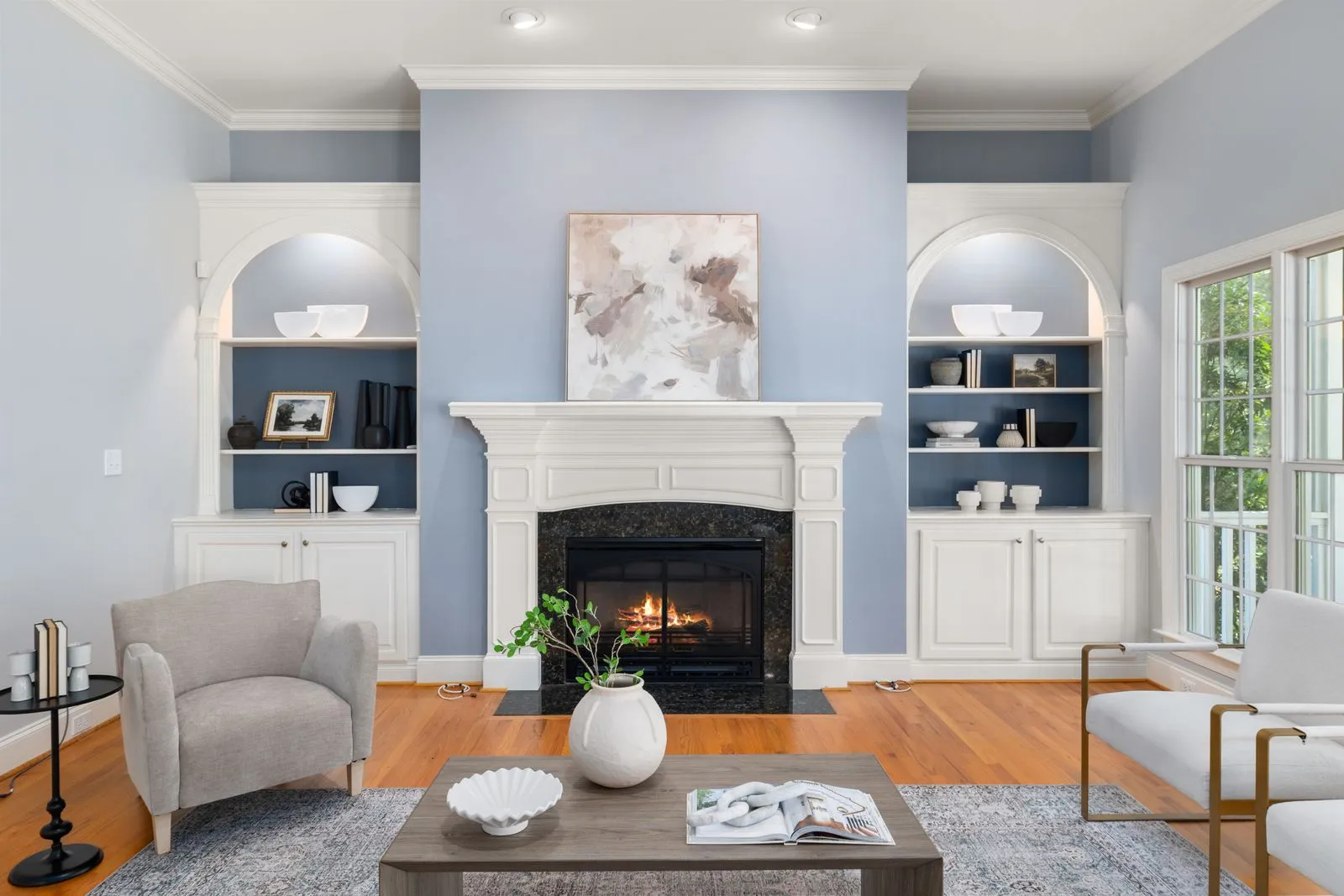
A fireplace can make a room feel like a gathering place; a stove can bring steady warmth to the area around it. The right choice depends on more than looks. Consider how much floor space you have, which rooms need heat, what kind of installation your home can support, and how you want the finished room to feel. Comparing those practical details can help you choose an option that suits both your home and your daily routine.
Start With Your Room Layout
A built-in fireplace usually occupies a wall or corner, with the firebox set into a structure or framed surround. That can preserve usable floor area, but the chimney or vent route and required clearances shape where it can go. Check the available wall space, nearby windows, and furniture placement before choosing a location.
A freestanding stove needs floor space around the unit for safe clearances, access, and a hearth or floor protection as specified by the manufacturer. It may work well where a suitable vent route is available, but it can affect traffic flow. Map the stove’s footprint on the floor before committing to a layout.
Match Heat to Your Needs
Think about whether you want supplemental warmth in one room or a larger role in heating the home. A stove can provide focused heat nearby, while a fireplace’s heating performance varies widely by design and fuel. Compare rated output and efficiency for specific models rather than assuming that appearance tells you how much heat you’ll get.
Room size, ceiling height, insulation, and the home’s layout all affect comfort. Heat may not travel evenly through closed doors or around corners. Decide which spaces you want to warm, then ask a qualified installer to help assess capacity, venting, and whether your existing heating system should remain the primary source.
Consider Installation and Upkeep
Both options require a safe route for exhaust and must follow manufacturer instructions and local building and fire-safety requirements. Existing chimneys may need inspection or repair before use. If your home lacks a suitable vent, installation could involve more work than the appliance itself. Confirm the route, clearances, and required permits with a qualified professional.
Plan for ongoing care, too. Wood-burning appliances require regular ash removal and chimney maintenance; gas models have different inspection and cleaning needs. Choose fuel based on what is available, how much hands-on tending you want, and the care the specific appliance requires. Keep manuals and service records so maintenance stays straightforward.
Choose the Look You Want
A fireplace often becomes a visual anchor, especially when its surround, mantel, and finish coordinate with the room. It can suit a traditional focal-point layout or a streamlined built-in design. Consider how the fire will look when it is off, too: the surround remains part of the room every day.
A stove puts the appliance itself on display and can add a compact, sculptural feature. Its shape, finish, and placement influence the room’s character, while the visible vent pipe may become part of the design. Browse styles alongside practical specifications, then picture the unit from the main seating area and from the room entrance.
Choose based on the space you can safely dedicate, the rooms you want to warm, and the look you’ll enjoy living with. Compare specific appliances and installation requirements before making a decision. Kindling & Hearth can help you explore options for your home; contact the shop to start planning.